
What Is React Native?
React Native is an open-source JavaScript framework created by Facebook that lets you build truly native mobile apps for iOS and Android using a single codebase. Instead of wrapping a web view, React Native renders real native UI components—so your app looks, feels, and performs like a first-class mobile experience.
How React Native Works
- Shared Components: Write UI in reusable components (Buttons, Lists, Inputs) that map to native controls on each platform.
- JavaScript Bridge: Business logic runs in a JS engine while the bridge syncs updates to native UI threads, keeping animations fluid.
- Live & Hot Reloading: Instantly preview code changes on devices or simulators without a full rebuild.
Core Use Cases
- Consumer Apps: Social networks, marketplaces, streaming services—anywhere you need polished UI and lightning-fast updates.
- Enterprise Tools: Onboarding, field-service dashboards, inventory scanners—build once, deploy to all devices.
- MVPs & Startups: Validate ideas quickly with one team instead of separate iOS/Android squads.
- E-commerce & Retail: Mobile catalogs, checkout flows, loyalty programs all share business logic across platforms.
Business Advantages
1. Reduced Development Costs
- Single Team & Codebase: One team writes 80–90% of code for both platforms.
- Faster Iterations: Hot reloading accelerates bug fixes and feature rollouts.
2. Accelerated Time-to-Market
- Spin up new features simultaneously on iOS and Android.
- Validate MVPs in weeks, not months.
3. Consistent User Experience
- Shared component library ensures pixel-perfect UI across devices.
- Unified design language boosts brand recognition.
4. Easier Maintenance & Scaling
- Updating logic or UI in one place propagates everywhere.
- Modular architecture supports growing feature sets without code bloat.
5. Large Talent Pool & Ecosystem
- Over 60,000 packages on npm, plus strong community support.
- Easier hiring and more third-party integrations.
6. Native Performance
- Access device APIs (camera, GPS, biometrics) with community-maintained or custom native modules.
- Smooth animations and transitions via native driver.
Success Stories
- Instagram: Adopted React Native for faster feature delivery, sharing over 90% of code between platforms.
- Walmart: Rebuilt their mobile app in React Native, boosting performance and cutting release cycles by 35%.
- Bloomberg: Launched their redesigned consumer mobile experience using React Native, reducing development cost by 50%.
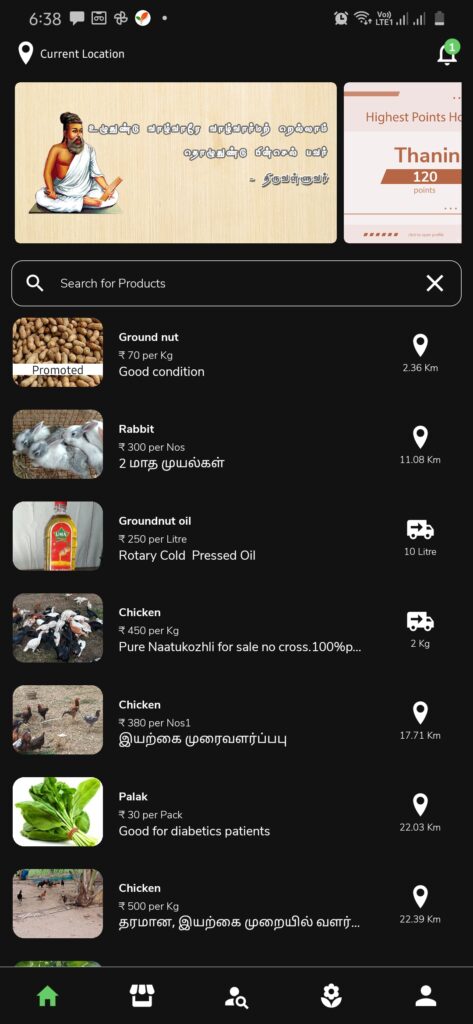
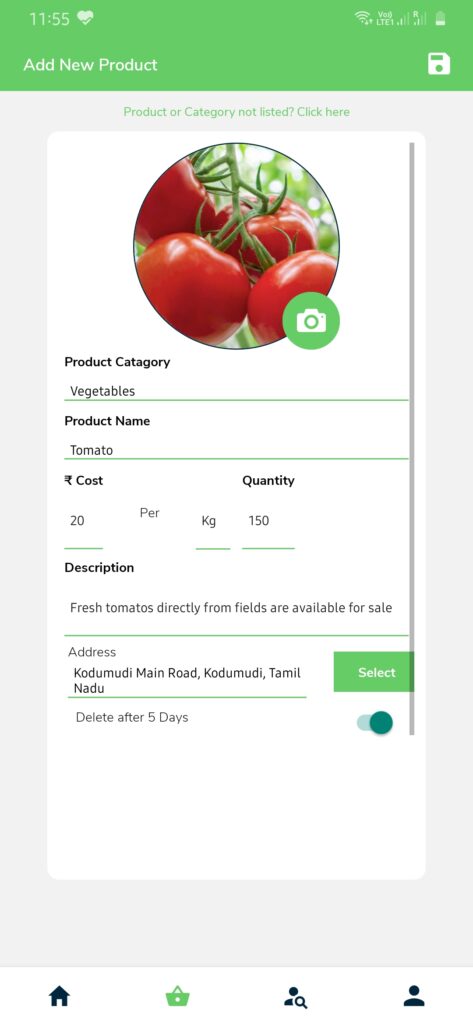
- Vcart: An app by Zent people built with React Native, enabling users to buy vegetables directly from farmers.



Getting Started
- Choose Your Tooling:
- Expo for quick prototyping, built-in APIs, and OTA updates.
- Bare React Native CLI for full native module control.
- Set Up Your Environment: Follow the official guide at https://reactnative.dev/docs/environment-setup.
- Prototype Key Screens: Start with 2–3 core screens (login, list, detail).
- Integrate Analytics & CI/CD: Use services like App Center or Fastlane for automated builds and monitoring.
- Iterate & Measure: Track user engagement, crash rates, and load times to prioritize improvements.
Conclusion
React Native empowers businesses to deliver high-quality mobile experiences faster and at lower cost, while maintaining native performance and consistency across platforms. By leveraging a shared codebase, you can streamline development, scale features efficiently, and focus on what matters most: delighting your users and driving growth.